Source Myopia Adjustable AR Glasses for Reading, Optical, and Communication
Source Myopia Adjustable AR Glasses from 27 verified listings. Compare features like OLED displays, Bluetooth connectivity, and frame materials including TR90 and PC. Ideal for reading, optical correction, and communication tasks; compare the available evidence and request quotations based on your requirements.
Key considerations
Products List


Infrared Sensor Smart Glasses Shooting Anytime Ar Glasses Suitable for Amblyopia People
$362.00 - $389.00
MOQ: 100 Pieces

New Arrival of Fully Customizable Immersive Experience Smart Ar Glasses
$309.00 - $349.00
MOQ: 100 Pieces


1080P Video Glasses Mixed Reality Electronic Equipment Ar Smart Glasses
$399.00 - $499.00
MOQ: 48 Pieces


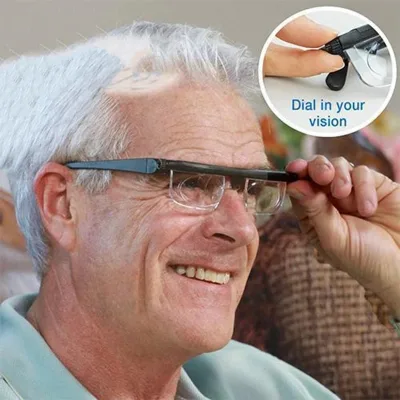
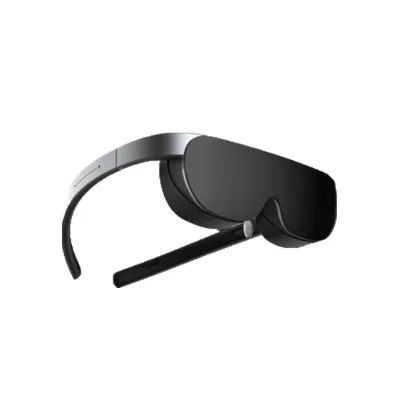
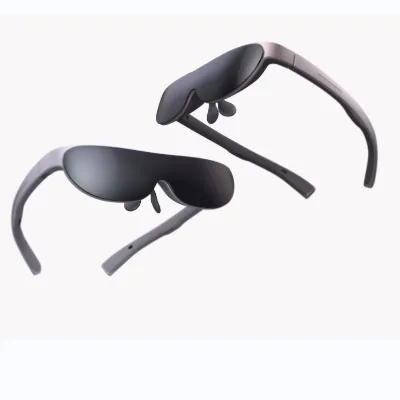
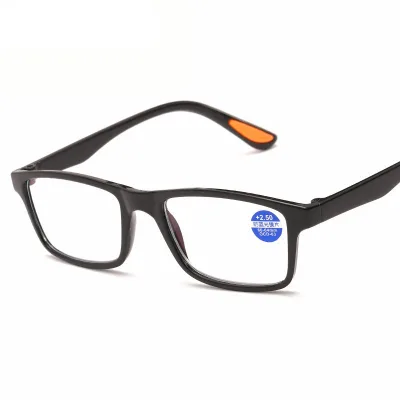

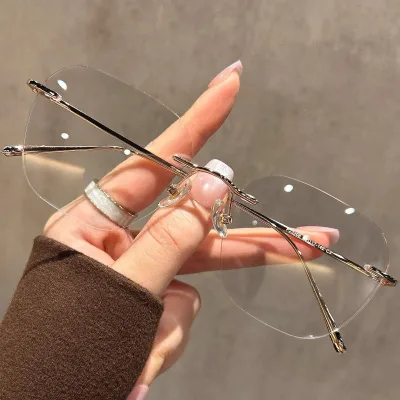
Comprehensive Sourcing Guide
Myopia Adjustable AR Glasses Sourcing Guide
Buyers must first distinguish between traditional optical frames and advanced augmented reality headsets, as the market contains both distinct categories under the broad keyword of Myopia Adjustable AR Glasses. The supplied data reveals a mix of products ranging from simple myopia clip lenses designed for standard frames to complex wearable devices featuring OLED displays and wireless connectivity. Understanding this split is critical because the sourcing strategy for a basic optical accessory differs significantly from procuring a high-tech communication device with a 43-degree field of view.
Procurement teams should verify whether the target product is intended for vision correction alone or for immersive digital interaction. Some listed items specify usage for reading or optical purposes with myopia clips, while others include features like Bluetooth V5.4, WiFi, and dual microphones for communication and detection. This distinction dictates the technical verification process, as the former requires optical clarity checks while the latter demands rigorous testing of display resolution, battery life, and wireless signal stability.
Product Scope and Observed Listing Signals
The observed product range spans from lightweight frames made of TR90 or metal to heavy-duty units weighing over 100 grams that include data cables and advanced hardware platforms. Listings indicate a wide variety of frame materials, including acrylic, PC, and titanium, alongside specific model numbers like SN22718 and SZ234-G9M. Buyers should note that some units are packaged as single pieces in poly bags, while others are bulk-packed in cartons of 300, which impacts logistics planning and inventory management strategies.
Market signals suggest a high degree of customization availability, allowing buyers to tailor products for specific unisex demographics or specialized industrial applications. However, the presence of diverse specifications, such as a 120-inch picture size at 4 meters or a 13-megapixel camera, indicates that not all listed items serve the same function. Sourcing teams must carefully map the specific model number to the intended use case to avoid purchasing a communication headset when a simple reading aid was required.
Technical Specifications to Verify
When evaluating optical components, buyers must confirm the lens material and optical attributes to ensure they meet the specific myopia correction needs of the end-user. The data shows lenses made from acrylic or PC with myopia clip attributes, which are essential for users who require vision correction without replacing their entire eyewear system. Verification should include checking the frame material, such as TR90 or metal, to ensure durability and comfort, as these materials directly influence the longevity and wearability of the device.
For devices integrating augmented reality features, technical validation must extend to display performance and connectivity standards. Key metrics to verify include the screen resolution of FHD1920*1080P on a 0.49-inch OLED panel, the contrast ratio of 100000:1, and the field of view of 43 degrees. Additionally, buyers should confirm the hardware platform, such as the Dragon Lt7911d, and the battery capacity of 220mAh to ensure the device can sustain the power demands of the OLED display and wireless communication modules during extended use.
Compliance and Safety Documentation
Safety compliance for eyewear products requires verification of material safety standards to ensure the frames and lenses do not cause skin irritation or physical injury. While specific certification names are not listed in the provided facts, buyers should request documentation confirming that materials like TR90, PC, and acrylic meet relevant international safety standards for optical devices. This is particularly important for products intended for unisex use, where the fit and material composition must be safe for a broad range of users.
For AR glasses with electronic components, electrical safety and electromagnetic compatibility documentation are mandatory to ensure the device operates safely without interfering with other equipment. Buyers must verify that the Bluetooth and WiFi modules comply with regional radio frequency regulations and that the battery specifications adhere to transport safety standards. The inclusion of infrared sensors and dual microphones also necessitates checks to ensure these features do not introduce privacy risks or safety hazards during operation.
Cost Drivers and Commercial Terms
The price range observed from 0.88 to 539.99 USD reflects the significant cost disparity between basic optical accessories and complex electronic wearable devices. Factors driving these costs include the complexity of the display technology, the quality of the frame materials, and the integration of wireless communication modules. Buyers should analyze the unit price against the specific feature set, such as the inclusion of a 13-megapixel camera or a high-contrast OLED screen, to determine the true value proposition of each model.
Commercial terms such as minimum order quantities and packaging configurations also play a vital role in the total cost of ownership. The data indicates MOQs ranging from 1 to 500 units, with packaging varying from single poly bags to bulk cartons of 300 pieces. Procurement teams must negotiate terms that align with their inventory capacity and cash flow, considering that higher customization levels or specialized packing requirements may increase the per-unit cost and extend lead times.
Supplier Qualification and Quality Control
Supplier qualification should focus on the manufacturer's ability to consistently produce products that match the detailed specifications provided in the listing data. Buyers must verify that the supplier can deliver the exact model numbers, such as SN22729 or CA01, with the correct frame materials and optical attributes. It is essential to confirm that the supplier has a robust quality control process to ensure that the 27 observed products maintain consistency in weight, dimensions, and performance across different production batches.
Quality control protocols must also address the integration of electronic components in AR glasses to prevent failures in critical functions like display brightness or wireless connectivity. Buyers should request evidence of testing procedures for the OLED display, battery life, and sensor accuracy, ensuring that the final product meets the advertised contrast and resolution standards. Establishing a clear communication channel for defect reporting and returns is crucial, especially when dealing with complex devices that have multiple hardware and software components.
Long-Term Procurement Checks
Sustainable procurement requires regular audits of the supplier's ability to maintain supply chain stability and product consistency over time. Buyers should monitor the availability of key components, such as the specific OLED panels and battery cells, to prevent disruptions in production. Given the diverse range of models and materials, it is vital to ensure that the supplier can scale production without compromising the quality of the frame materials or the precision of the optical lenses.
Long-term success also depends on the supplier's capacity to adapt to evolving technology standards and market demands. As AR technology advances, buyers must verify that the supplier can update their products to support newer connectivity standards or improved display resolutions. Establishing a partnership based on continuous improvement and open communication will help ensure that the procured Myopia Adjustable AR Glasses remain competitive and reliable in the long term.
FAQs
What materials are used for Myopia Adjustable AR Glasses frames?
Frames are constructed from TR90, metal, titanium, PC, and plastic materials. These options provide varying levels of durability and flexibility. Acrylic lenses are standard for optical clarity. Buyers can select materials based on weight preferences and structural requirements for their specific AR application needs.
Can these glasses be customized for specific branding needs?
Yes, customization is available for these products. Buyers can request specific modifications to meet their branding or functional requirements. This service allows for tailored solutions in the B2B sector. It is advisable to confirm customization details and feasibility directly with suppliers before placing orders.
What is the typical packaging format for bulk orders?
Standard packaging includes 1 piece per poly bag, 12 pieces per inner case, and 300 pieces per carton. Neutral packing is also an option for some models. This structured packaging ensures safe transport and efficient inventory management for large-scale procurement operations and global distribution channels.
Which hardware platforms power the AR display functionality?
The hardware platform is Dragon Lt7911d. This chip supports advanced AR features including Bluetooth V5.4 and WiFi 4 connectivity. It enables stable data transmission and low latency performance. The system integrates dual microphones for noise reduction and supports SD NAND patch memory for storage expansion.
What are the display specifications for the AR glasses?
The display features a 0.49-inch Si-OLED screen with FHD 1920x1080 resolution. It offers a 43-degree field of view and 100,000:1 contrast ratio. The system supports 24-bit true color reproduction. This high-resolution output ensures clear visual experiences for users in various lighting conditions and applications.
How is the battery capacity and weight managed in these devices?
The device uses a 220mAh battery at 3.85V. The bare weight is approximately 49.3 grams, while the total weight with the data cable is 102 grams. This balance ensures comfortable wear for extended periods. The compact design supports portability without compromising essential AR functionality or battery life.